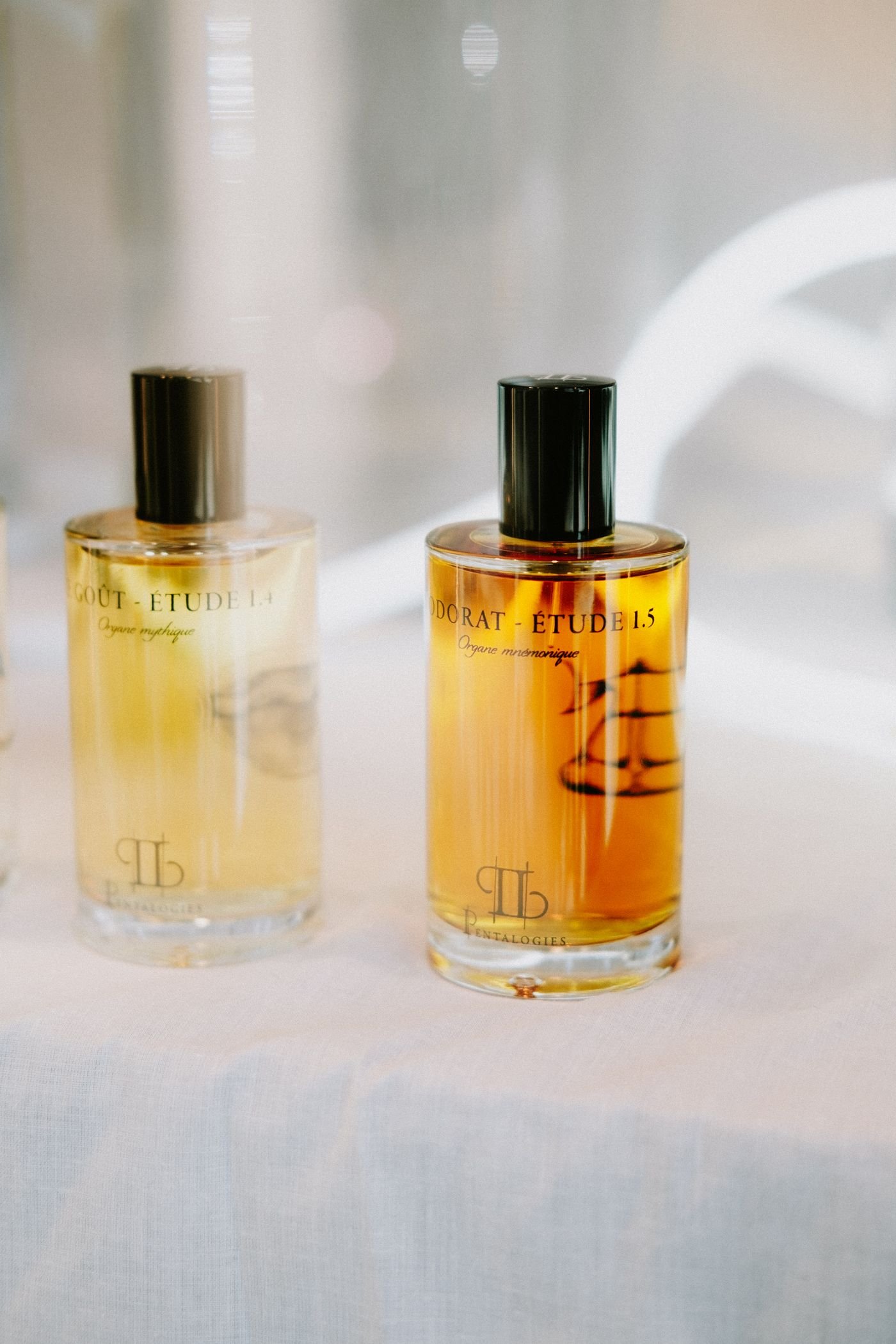
Perfume layering means wearing more than one fragrance together. It can be a way to explore bottles you already own, but it is easiest to judge when you change one thing at a time. You do not need a large collection or a list of supposedly perfect pairings.
This guide offers a simple experiment for comparing two finished perfumes. It is different from mixing raw ingredients or commissioning a bespoke formula.
What is perfume layering?
Layering is the practice of combining scents as you wear them. A brand may design its perfumes specifically for this purpose: Jo Malone London explains that approach in its scent-layering guide. That does not establish a universal rule for every fragrance. Treat a proposed pairing as something to try, rather than a guaranteed improvement.
Start with a clear reason to combine two scents
Before adding anything, write down what you enjoy about your first perfume and what you wish were different. Perhaps you like its soft character but want to explore a brighter impression. Or you enjoy one floral fragrance and are curious about wearing it alongside a woody one.
These are descriptions of your preferences, not promises about how particular ingredients will behave. A shared note on two product pages is a starting point for curiosity, not proof that the finished perfumes will work together.
A simple way to test a perfume pairing
- Know each perfume on its own. Choose two that you already enjoy wearing separately. Read their application instructions before testing.
- Make a paper comparison first. Label a separate scent strip for each perfume. Smell them individually, then hold the strips near one another to explore the combined impression. This is a comparison exercise, not a prediction of exactly how they will smell on your skin.
- Keep the first wear simple. If you decide to wear the combination, use a modest amount within the products’ directions. Avoid adding a third fragrance or changing several scented products at once.
- Keep a comparison. On another day, wear the first perfume alone. Ask whether the combination adds something you actually prefer.
- Record what you used. Note the two names, application order and amount. Those details make a favourite combination easier to revisit.
There is no need to decide from the first impression. Return to the scent later in your day and note what you notice. For a more detailed comparison method, see our guide to testing perfume samples.
What should you look for?
Use three plain questions: can I still recognise what I liked about the original perfume; does the combination feel comfortable for the occasion; and would I choose it over either perfume alone? “More complicated” is not automatically “better”. Keeping the original fragrance unchanged is a useful outcome too.
If the result feels too busy, step back to the individual scents before trying another pairing. Avoid chasing a disappointing combination by repeatedly adding more perfume.
Keep layering separate from bottle mixing
This experiment does not involve pouring perfumes into a shared bottle or adding oils, alcohol or other materials to a finished product. Keep each fragrance in its original packaging and follow its instructions. Layering also does not offer a reliable way to promise a particular number of hours of wear.
When a bespoke perfume may suit you better
If you repeatedly combine scents to express the same idea, those observations can help you explain a brief to a perfumer. Tell them what you enjoy, what feels missing and which combinations you have tried.
The OZORNINA bespoke perfume experience includes a private consultation, two samples and one refinement of your chosen sample before your finished bottle. If you would rather explore creating a fragrance in a group, visit the public workshop page for current options.
Quick questions
Do I need to buy a second perfume?
No. Begin with samples or bottles you already have. Buying more is not a requirement for learning what you like.
Is there one correct order for layering?
This guide does not prescribe a universal order. Follow product guidance and record the order you try so you can compare it later.
Is layering the same as a custom perfume?
No. Layering combines finished scents while you wear them. A bespoke service develops a fragrance around a brief.