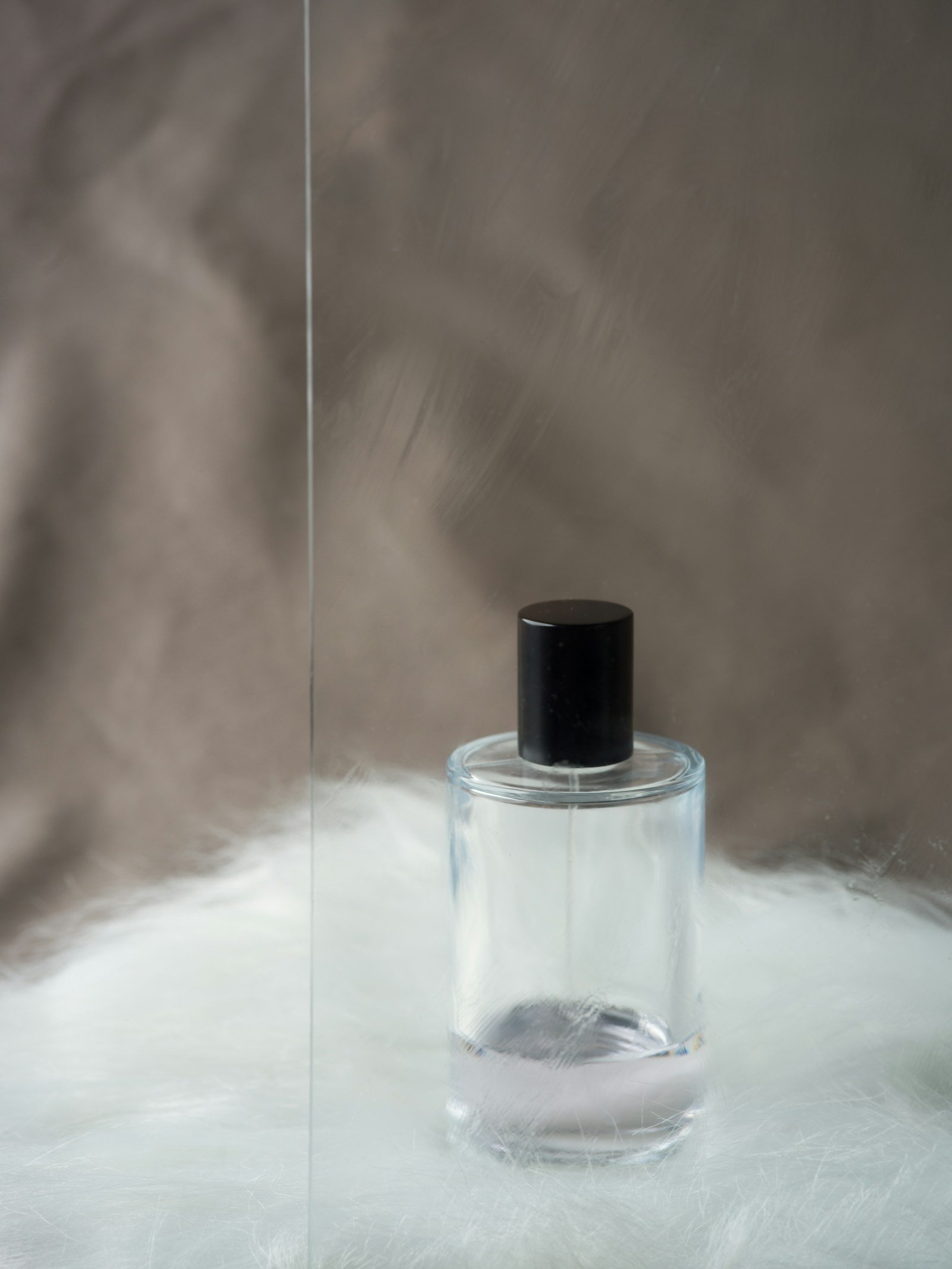
Eau de Toilette and Eau de Parfum describe broad fragrance concentration categories. They are useful clues, but they do not tell you exactly how a perfume will smell, how far it will project or how long you will enjoy it on your skin. Choose the version you actually like wearing, rather than automatically choosing the strongest label.
What does perfume concentration mean?
Concentration describes the proportion of fragrance mixture in a finished product. The International Fragrance Association (IFRA) explains that names such as Eau de Cologne, Eau de Toilette and Eau de Parfum are common industry descriptors, rather than categories with universally fixed international definitions.
For alcohol-based fragrances, IFRA gives these typical ranges. They overlap, so treat them as a guide rather than a test of whether a bottle is labelled correctly.
| Label | Typical range |
|---|---|
| Eau de Cologne | 3–8% |
| Eau de Toilette | 5–15% |
| Eau de Parfum | 10–20% |
| Perfume extract / Extrait | 15–40% |
How should you choose between EDT and EDP?
Start with where you want to wear your fragrance. For a shared office, you might prefer a quieter presence; for an evening out, you may want something you notice more readily. Neither preference belongs exclusively to one concentration category.
If a fragrance comes in several versions, try each version separately. Do not buy one solely because you liked a different version with the same name. Ask what changes between the formulas, then compare how each feels during an ordinary day.
- Character: do you enjoy the opening and what remains later?
- Presence: does the scent feel comfortable at the amount you apply?
- Routine: would you actually reach for it on a normal morning?
- Value: are you paying for a version you prefer, or just a label you assume is better?
Concentration and bottle size are different decisions
Bottle volume is a quantity, not a strength. Choosing 50 ml rather than 30 ml gives you more liquid; it does not, by itself, make a perfume more concentrated. When comparing prices, check both the volume and the fragrance version.
At OZORNINA, the bespoke perfume experience offers a choice of bottle sizes. Each size includes a private consultation, two initial samples and one refinement of the chosen sample. The website’s bottle-size options should not be read as EDT, EDP or Extrait options.
What to ask when commissioning your own perfume
Describe how you want to experience the fragrance: close and personal, noticeable as you move, fresh at first, or soft later in the day. These are useful preferences to discuss without deciding a concentration in advance. The OZORNINA creation process gives you samples to consider before the finished bottle is blended.
If you would rather explore ingredients in a group first, see the current perfume workshops in Northampton. Check the location and details of your chosen session when booking.
Quick questions
Is Eau de Parfum always better than Eau de Toilette?
No. “Better” depends on the version you prefer and how you want to wear it. A higher concentration label is not a personal recommendation.
Does Extrait mean the largest bottle?
No. Extrait describes a fragrance category; millilitres describe the amount in the bottle.
Can a concentration label guarantee a number of hours?
Do not treat it as a wear-time guarantee. Test the actual product and ask its maker about the specific formula.
Source: IFRA: Using the Standards — fragrance terminology and typical concentration ranges. The shopping checklist is OZORNINA editorial guidance; ranges are not specifications for OZORNINA products.